Evaluating Equality Juneteenth Black History Png
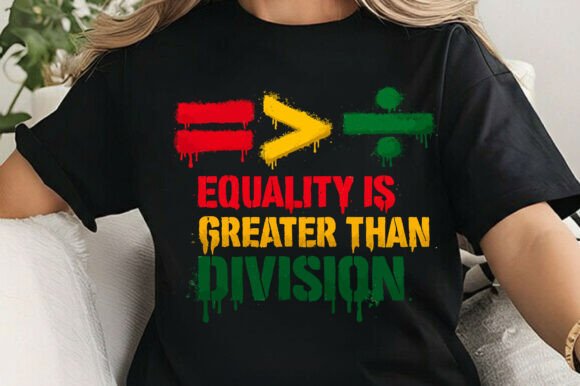
As a professional embroidery designer and product reviewer, I approach every new graphic asset with a specific question: will this translate beautifully from screen to stitch? When evaluating the Equality Juneteenth Black History Png, my focus shifts immediately from its digital presentation to its practical application in needlework. This design, titled "Equality Is Greater Than Division," carries significant cultural weight and visual intent. For makers, Etsy sellers, and apparel decorators, understanding how this specific artwork behaves during the digitizing and stitching process is just as important as its symbolic message. My review focuses on the tangible reality of turning this high-resolution PNG and vector source into a durable, professional finished product.
First Impressions and Visual Translation
Upon opening the 4500px x 5400px PNG file at 300 DPI, the clarity is excellent for print-on-demand, but for us in the embroidery project space, we are looking at line integrity and shape definition. The theme of equality demands balance in composition, which is visually present here. However, translating a flat graphic into a textured medium requires analyzing the negative space. In this design, the interplay between text and graphical elements suggests opportunities for mixed media techniques. As an experienced digitizer, I see potential for combining satin stitch borders with fill stitch interiors to create depth that a standard print cannot achieve.
The mood of this artwork is dignified yet bold. It does not feel like a generic clip-art addition; it feels like a centerpiece. For a handmade product, this distinction matters. Customers seeking Juneteenth merchandise are often looking for authenticity and quality. The vector EPS and AI files included are crucial here. Unlike raster images that pixelate when resized for different hoop size requirements, these vectors allow for clean edge detection when auto-digitizing or manual tracing. This ensures that whether you are creating a small chest logo or a large back piece for a sweatshirt, the lines remain crisp and the message remains legible.
Real-World Application: The Custom Tote Bag Test
To truly evaluate this asset, I mentally placed it onto a canvas tote bag project intended for a community event. Tote bags are a staple for small shop product lines and craft business inventories because they offer a large, flat stitching area. However, canvas has a distinct fabric texture that can swallow fine details. With the Equality Juneteenth Black History Png, the bold typography works in our favor. Thin, decorative fonts often get lost in the weave of natural fibers, but the substantial lettering in this design allows for adequate column width in the digitizing software.
In this scenario, I would likely treat the main graphical element as an applique design. Using fabric for the primary shapes reduces stitch density, preventing the tote bag from becoming stiff or bulletproof. The text could then be executed in a dense satin or bean stitch to ensure readability against the applique background. This combination not only saves time and thread but also adds a tactile, premium feel that elevates the item above standard printed merchandise. For an Etsy seller, offering this mixed-media version creates a unique value proposition that distinguishes your listing from competitors using direct-to-garment printing.
Navigating Fabric Challenges and Technical Limits
While the design is versatile, caution is required when moving away from stable woven fabrics. If you plan to use this for baby embroidery on onesies or stretchy knit custom apparel, the design’s complexity must be managed carefully. Stretch fabrics distort under tension. If the machine embroidery design is too dense, it will pucker regardless of how much stabilizer you use. For these applications, I recommend simplifying the artwork derived from the PNG. Remove intricate inner details and focus on the silhouette and primary text.
Dark fabrics present another consideration. The transparent background of the PNG is perfect for digital mockups, but in embroidery, we must account for underlay. White or light-colored thread on black fabric requires a solid underlay foundation to prevent the dark fabric from grinning through. This increases the stitch count significantly. Before committing to a production run of dark sweatshirt embroidery, verify that your machine can handle the density without breaking needles or causing registration issues. Additionally, if you are considering this for caps or curved surfaces, test the vertical alignment. Designs that look balanced flat may appear distorted when wrapped around a curved brim. The vector file allows you to warp or adjust the text baseline to compensate for this curvature before digitizing.
Impact on Product Value and Buyer Trust
The technical execution of the Equality Juneteenth Black History Png directly influences perceived value. A poorly digitized version with gapping stitches, misaligned outlines, or excessive jump stitches signals low quality to the buyer. Conversely, a clean, well-planned stitch out communicates respect for the subject matter and professionalism in your craft. When customers purchase items related to Black History and Juneteenth, they are often buying with intention. They want to support businesses that understand the significance of the imagery.
Using high-quality source assets like this 300 DPI PNG and accompanying vectors demonstrates that you are investing in proper design assets rather than grabbing low-resolution images from search engines. This attention to detail translates to better printable mockup previews as well. Clear, sharp mockups build trust before the customer even sees the physical item. For commercial embroidery clients, such as organizations ordering staff shirts for Juneteenth celebrations, providing a sample stitched from a properly digitized version of this file can secure bulk orders. It proves you have considered the longevity and washability of the design, ensuring their investment lasts.
Essential Designer Notes for Success
Before loading this design into your machine or listing it in your shop, adhere to these practical guidelines to ensure success:
- Test Stitch First: Always run a test on scrap fabric that matches your final project's weight and stretch. Check for puckering and registration.
- Verify Licensing: Confirm the specific license terms for this PNG/EPS bundle regarding commercial use of finished embroidered goods versus selling the digital file itself.
- Contrast Check: View the design in black and white before digitizing. If elements disappear or blend together without color, they will likely fail in tone-on-tone embroidery.
- Stabilizer Selection: Match your stabilizer to the fabric, not just the design. Use cut-away for knits and tear-away for stable wovens to maintain the integrity of the "Equality" message.
- Resize Responsibly: Utilize the EPS/AI files if you need to resize beyond 20%. Stretching a PNG-based digitization leads to jagged edges and poor stitch quality.
- Thread Color Planning: Plan your thread colors to match the cultural aesthetic accurately. Variegated threads can sometimes muddy detailed text; solid colors often provide better legibility for meaningful slogans.
Ultimately, the Equality Juneteenth Black History Png is a robust starting point for meaningful creation. Whether you are producing a personalized gift, stocking your boutique for June, or fulfilling a corporate order, treating this graphic with technical respect ensures the final embroidered piece honors both the art and the artisan. By leveraging the provided vector formats and respecting the physics of thread and fabric, you transform a digital download into a lasting tribute.